
 English
Many family property owners struggle with the same confusing question: what really counts as the best home lawn mower for private backyard maintenance. Countless product listings online highlight dazzling parameters, yet few share real‑world feedback from actual household scenarios. Home buyers often pick over‑powered heavy‑duty machines hard to store, or select under‑powered cordless electric lawn mower models that stall against thick seasonal grass. Improper selection brings extra physical burden, frequent breakdowns and poor trimming outcomes, even when the machine carries attractive price tags.
YISHINE garden equipment research team completed a six‑week real‑yard verification project. Test teams deployed multiple home lawn mower variants across 12 private residential sites, covering tiny city lots, standard suburban backyards, gently sloped family gardens and yards with thick seasonal grass growth. All test sites recorded working noise, single‑session runtime, maneuver difficulty and mulching performance under identical weather conditions. According to Wang Tao, lead R&D engineer responsible for household garden equipment testing, there exists no universal “one‑model‑fits‑all” winner for home use. The optimal home lawn mower is decided mainly by yard square footage, terrain flatness, grass thickness and how much time homeowners intend to spend on routine upkeep. Many end‑users fixate purely on upfront cost and overlook daily usability, resulting in equipment sitting idle inside garages after one or two mowing seasons.
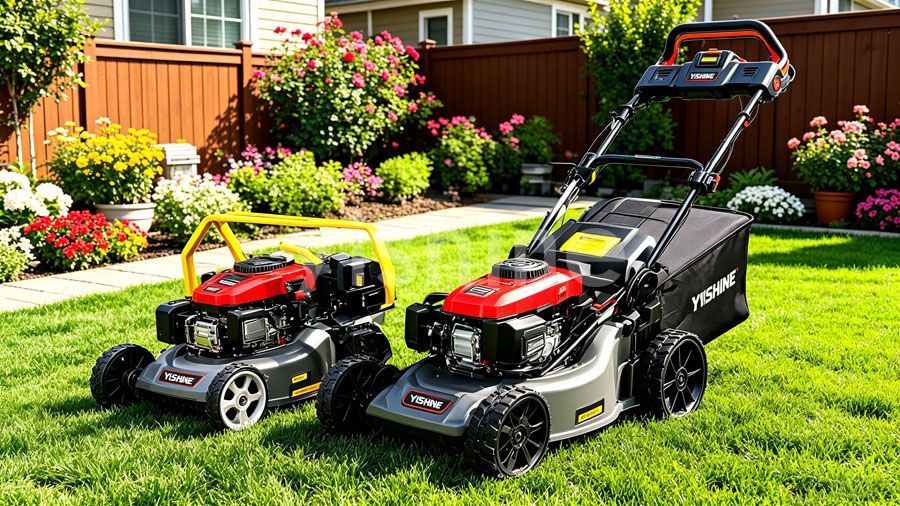
Residential Lawn Mower Market Background & Current Industry Trends
Global residential lawn mower market keeps stable expansion through 2026, with market value hitting USD 8.9 billion this year, projected to rise at 4.5% compound annual growth rate until 2034. Traditional gas walk‑behind lawn mower once dominated household markets for decades, valued for reliable raw power when tackling overgrown grass patches. In recent three years, cordless electric lawn mower segment registers 12.95% year‑on‑year growth rate, driven by rising household demand for low‑noise, zero‑fume and low‑maintenance garden tools.
Industry observations show clear shifting consumer priorities. Previously, household purchasers mainly compared cutting width and engine power output. Modern home buyers put more weight on unit weight, storage convenience, noise level and total long‑term servicing burden. Market segmentation gradually takes shape: compact cordless electric lawn mower gains popularity for small‑to‑medium flat family yards; gas walk‑behind lawn mower still maintains solid user base for medium‑large yards with thicker grass and mild slopes. Robotic residential mowers occupy niche high‑end segments for users pursuing fully hands‑off maintenance.
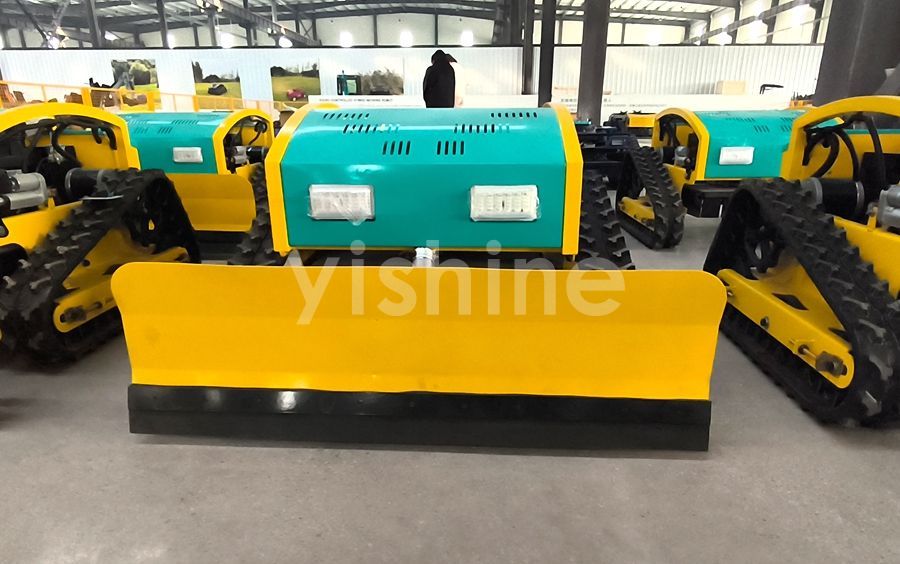
Six‑Week Backyard Field Test: Core Performance of Common Home Lawn Mower Types
Cordless Electric Lawn Mower: Usability, Runtime and Limitations
Cordless electric lawn mower stands out for household scenarios thanks to lightweight body, push‑button startup and zero exhaust emissions. Within our real‑yard tests, standard 40V‑56V cordless models weigh 22‑28 kilograms, 24% lighter than comparable gas walk‑behind lawn mower units. Operators move freely around flower beds, patio edges and narrow yard corners without dragging power cords or preparing gasoline fuel. Measured working noise sits 14‑18 decibels lower than gasoline counterparts, perfectly fitting residential communities with noise‑restriction rules.
Under normal‑thickness grass conditions, one full battery charge supports 35‑55 minutes of continuous trimming, suitable for yards up to 0.4 acre. Mulching and grass bagging functions deliver acceptable finishing quality for regular household lawn care. Its obvious shortcoming emerges when confronting tall, damp grass: motor load rises sharply, runtime drops by roughly 32% and stalling risk increases. For yards with heavy seasonal grass growth, users need spare battery packs to finish full mowing cycles without interruption.
Gas Walk‑Behind Lawn Mower: Power Output and Household Trade‑offs
Gas walk‑behind lawn mower carries sufficient torque reserve for home‑level heavy grass conditions. In test sites with uncut grass over 12 centimeters high, gasoline‑powered units maintain steady blade rotation without frequent power drop. It works reliably on gentle slopes below 18 degrees and handles medium‑large yards up to 0.8 acre in one single fuel fill. No battery‑related range anxiety troubles household operators.
Nevertheless, several features restrict its household‑friendly performance. Gas walk‑behind lawn mower produces obvious engine fumes and higher noise output, which may trigger neighbour complaints in dense residential blocks. Routine maintenance work includes engine‑oil replacement, spark‑plug inspection and fuel‑system winter storage handling, creating extra learning cost for homeowners lacking mechanical experience. Its heavier frame also makes storage and manual transport slightly harder for senior users.
Push‑Type Manual Mower & Robotic Mower: Niche Household Options
Manual reel mower delivers fully silent, zero‑power operation for tiny flat yards, yet struggles against thick or tall grass. Robotic home lawn mower reduces manual labour greatly, yet comes with higher purchase cost and requires perimeter boundary setup; most consumer robotic models can only cope with slopes under 20 degrees, limiting wider household adoption.
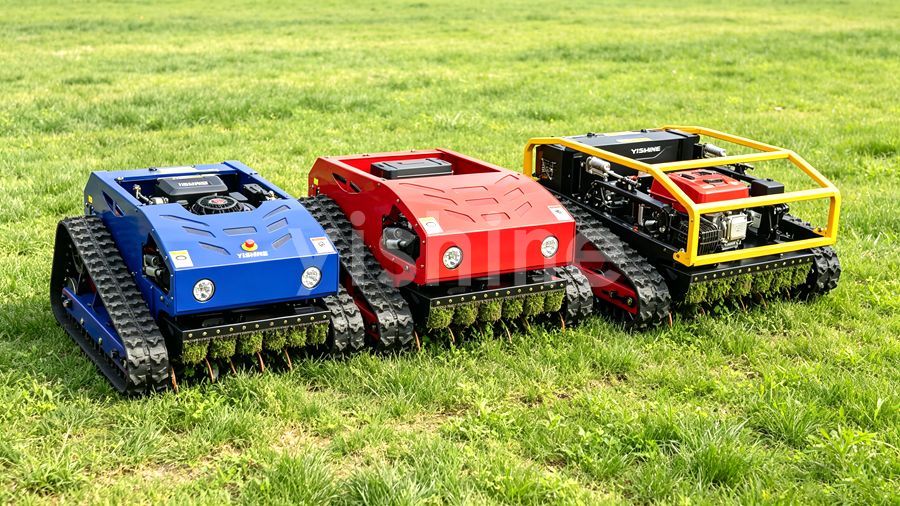
Home‑Oriented Selection Criteria: Match Mower With Your Actual Yard Conditions
Pick Cordless Electric Lawn Mower If:
Backyard area ranges from small to medium size within 0.4 acre
Yard terrain is mostly flat without frequent steep inclines
Grass grows moderately, without long‑neglected overgrown patches
Homeowners prefer quiet operation, simple startup and minimum maintenance work
Garage or storage space is limited, requiring light‑weight easy‑to‑store equipment
Pick Gas Walk‑Behind Lawn Mower If:
Household yard covers medium‑large area between 0.4‑0.8 acre
Grass grows vigorously, and users sometimes face delayed mowing cycles with tall grass
Property includes gentle slopes, and higher cutting torque is needed
Operators can accept regular engine maintenance and higher working noise
Think About Robotic Home Lawn Mower If:
Budget allows higher initial investment
Homeowners hope to cut manual mowing workload drastically
Yard layout is relatively regular, slopes do not exceed product‑specified angle limits
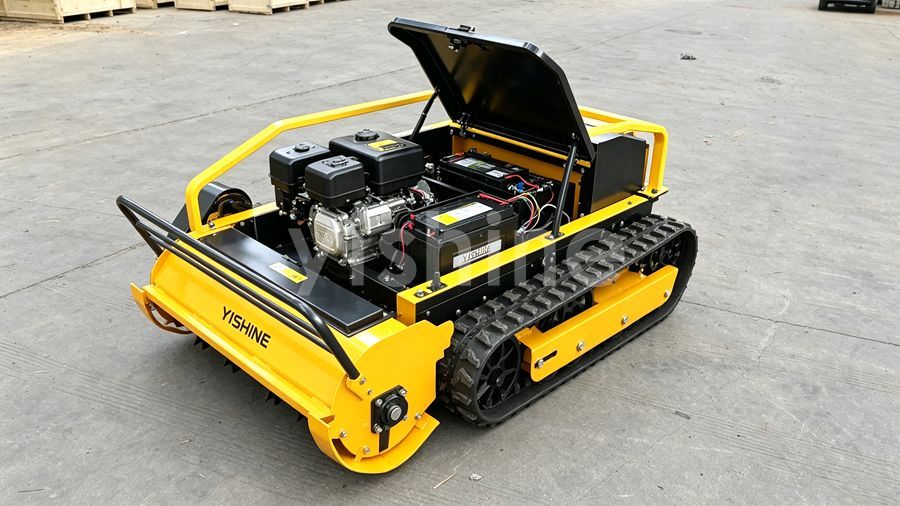
Key Household Buying Reminders
When shopping for a home lawn mower, do not chase excessive commercial‑grade power blindly. Extra power brings heavier weight and higher operating cost without adding practical value for most family yards. Pay attention to mulching, bagging and side‑discharge 3‑in‑1 functions, which improve grass processing flexibility for seasonal yard management. Check local spare‑part accessibility before purchase; even high‑performance equipment becomes troublesome if filter, blade and wearing parts cannot be sourced locally. Proper storage directly influences service life: keep electric‑model batteries away from extreme cold, and empty gasoline tank for long‑term off‑season storage.
Frequently Asked Questions
Q1: What is the best home lawn mower for small backyard?
A1: Light‑weight cordless electric lawn mower is the top pick for small residential yards for easy storage and low maintenance. It handles normal‑growth grass well and avoids exhaust fumes inside residential neighbourhoods.
Q2: Gas or electric home lawn mower for sloped backyard?
A2: Gas walk‑behind lawn mower delivers stronger power for thicker grass and gentle slopes; cordless electric suits flat, normal‑growth lawns. For slopes exceeding 18 degrees, verify machine specification carefully before purchase.
Q3: How long can a quality home lawn mower last?
A3: With routine care, residential mowers can run 5‑8 years. Battery‑powered units will need periodic battery replacement after several years of usage.
Q4: What core features should homeowners check before buying?
A4: Focus on lawn dimension, unit weight, cutting width, mulching function, noise output and local parts availability, rather than only comparing nominal power figures.
Final Buying Suggestion
There exists no absolute best home lawn mower that fits every family backyard. Cordless electric lawn mower provides clean, quiet and user‑friendly solutions for small‑medium flat household yards. Gas walk‑behind lawn mower brings dependable torque for larger yards, thick grass and mild inclines. Robotic variants serve as premium labour‑saving alternatives for eligible properties.
Prospective household buyers should assess real‑site yard size, terrain feature, grass condition and personal willingness to complete maintenance work ahead of purchase. Matching machine performance to household practical demands maximizes mowing experience and extends equipment service cycle.